A reminder from sensational artist Sarah Mills, that whilst it is Prolactin which promotes milk production in the female, it is Oxytocin which lets milk down…
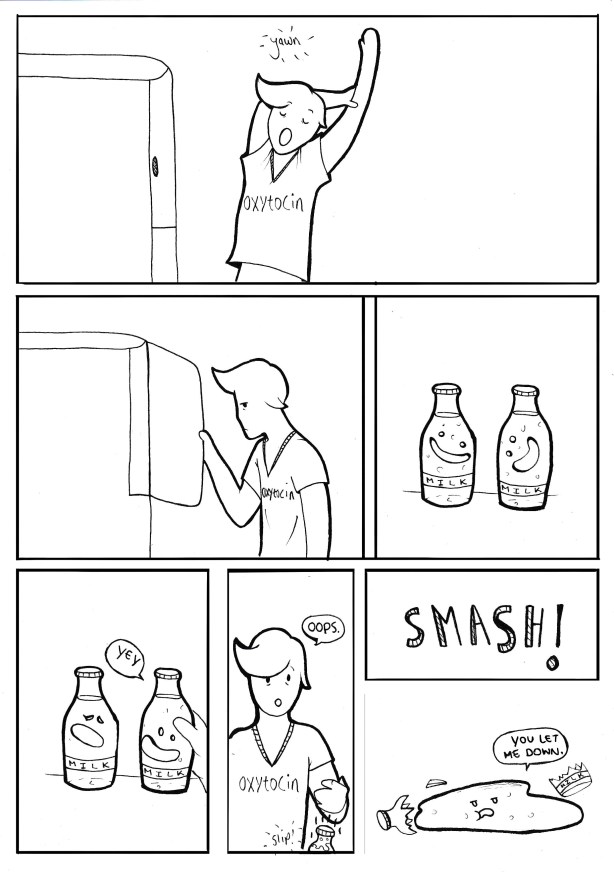
A reminder from sensational artist Sarah Mills, that whilst it is Prolactin which promotes milk production in the female, it is Oxytocin which lets milk down…
Chemotaxis for Phagocyte!
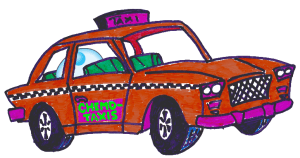
When the body is invaded by infectious organisms such as bacteria, viruses or parasites, it is vital that the body’s immune cells get to the sourse of infection as quickly as possible.
Infectious organisms (known as ‘pathogens‘) as well as damaged cells all release chemicals into the tissues around the infection or area of cell damage. The immune system recognises the presence of these chemicals and sends its immune cells in the direction of the chemicals in order to fight the pathogens or remove the damaged cells. This process is known as ‘Chemotaxis‘ and the first immune cells to arrive at the problem are the ‘Phagocytes‘.

Neutrophil (a type of phagocyte) engulfing anthrax bacteria. (Photo credit: Wikipedia)
The Mitochondria are structures or ‘Organelles’ found inside cells.
They are termed the ‘Powerhouse’ of the cell because they generate energy in order for the cell to be able to carry out its functions.
The process of energy generation is called ‘Cellular Respiration’ and involves a chemical reaction known as ‘Oxidative Phosphorylation’. Oxidative Phosphorylation occurs on the surface of the inner membrane of the mitochondrion.
Cells which use a lot of energy, e.g. Muscle Cells have a lot more mitochondria than cells which do not require a lot of energy, e.g. Fat Cells.
The Structure of Mitochondria
The mitochondrion has two membranes, an inner membrane and an outer membrane.
The outer membrane is smooth but the inner membrane is folded – this means that there is more space (a larger surface area) for Oxidative Phosphorylation to take place.
These folds are known as ‘cristae‘.
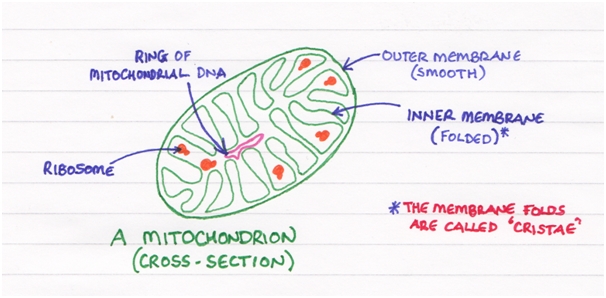
Also inside the mitochondria are ribosomes (another organelle also found around the cell itself) and a ring of Mitochondrial DNA.
For interest: the mitochondrial DNA shows many similarities to bacterial DNA and differs from the DNA found in the cell’s own nucleus. It is thought that, in evolutionary terms, mitochondria may have started out as independent creatures which set up a mutually beneficial relationship with cells of more complex organisms such as animals and plants.
The body contains many tubes for carrying substances from A to B, for example

Peristaltic Contractions in the gut. (Wikipedia)
Rarely does the body rely on gravity in order to move substances through these tubes, instead it relies on the contractions of the muscle in the wall of the organ – a process called peristalsis.
All of these tubes mentioned contain a special kind of muscle in their walls, called Smooth Muscle (this is different from the skeletal or striated muscle attached to the skeleton and different to the cardiac muscle which is found in the heart).
When food, for example, enters the intestine from the stomach, the muscle at the start of the intestine will contract, squeezing the bolus of food a bit further along the intestine.
As the food bolus is squeezed along, the next bit of intestine will then contract, moving the food bolus even further. At the same time, the first bit of intestine stops squeezing, so it looks like there is a wave of muscle contractions moving along the length of the intestine.
This process is found all over the body where there are hollow ‘tubes’ responsible for moving substances through the body.
Negative feedback is a naturally occurring / automatic off-switch in the body.

Image via Wikipedia
Imagine you are boiling water in a modern electric kettle.
This is negative feedback because the very water which you were heating, once at the required temperature, causes the heating process to switch off.
So, relating that to processes which occur in nature (of which there are many), here’s an example of biological negative feedback:

Other examples of negative feedback include, temperature regulation (under central nervous influence), blood pressure control (by the Renin-Angiotensin-Aldosterone System), blood calcium control and many others.
A common cause of confusion in anatomy is the difference between cilia and villi. Both of these are finger-like projections found in the body but they are found in different places and have entirely different jobs to do.
Cilia are tiny hair-like structures which are found on the surface of cells lining the upper-airways (the trachea and bronchi). The job of the cilia is to WIGGLE! The airways are coated with a thin layer of mucus which traps dust and particles stopping them from getting into the lungs. The cilia wiggle to move the mucus up the airways toward the mouth so that it can be coughed up and swallowed.

Villi are finger like structures found in the wall of the intestine [villus = one; villi = many]. Because they come out from the wall of the intestine, they have the effect of creating more space for absorption of nutrients; that is: they increase the surface area. Villi are filled with blood vessels to take away the nutrients to the circulation. They also contain a structure called a lacteal which absorbs fats from the intestine for delivery to the blood stream.
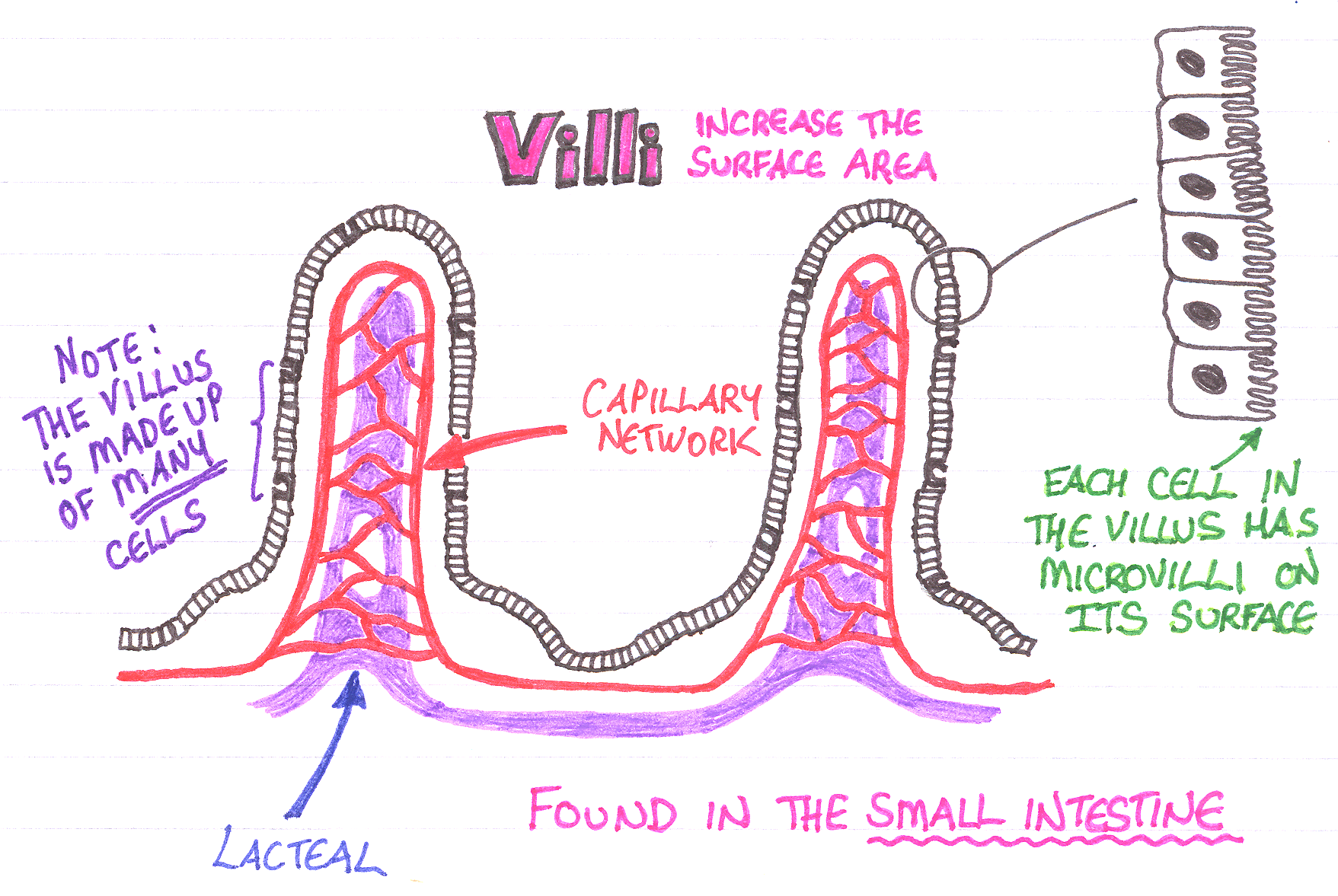
The surface area of the villus is increased even further by the presence of microvilli. Microvilli are tiny structures on the surface of the villi.
NOTE: VILLI DO NOT WIGGLE – THEY DO NOT MOVE FOOD THROUGH THE INTESTINE.

Image via Wikipedia
Animals like dogs use panting, rather than sweating, as their main method of reducing their body temperature.
Panting is not the same as fast breathing as panting is very shallow – very little air is taken into the gas-exchange parts of the lungs during panting.
So how does panting work to reduce body temperature?

Compassion in World Farming's founder Peter Roberts
The ‘Five Freedoms’ of Animal Welfare are a set of ideal standards for Animal Welfare rather than a piece of law.
They were originally developed as part of a UK government report into farm animal welfare in the early 1960s. They have since been adopted for all aspects of animal welfare by many governments and organisations around the world.
As well as looking at the titles of the ‘freedoms’, it is important to understand their meaning:
Although, in itself, not a piece of law, the following extract from the Animal Health and Welfare (Scotland) Act, 2006 shows how strongly Scottish welfare legislation draws on these standards:
Section 24 – Ensuring welfare of animals
1) A person commits an offence if the person does not take such steps as are reasonable in the circumstances to ensure that the needs of an animal for which the person is responsible are met to the extent required by good practice.
…
3) For the purposes of subsection (1), an animal’s needs include—
(a) its need for a suitable environment,
(b) its need for a suitable diet,
(c) its need to be able to exhibit normal behaviour patterns,
(d) any need it has to be housed with, or apart from, other animals,
(e) its need to be protected from suffering, injury and disease.
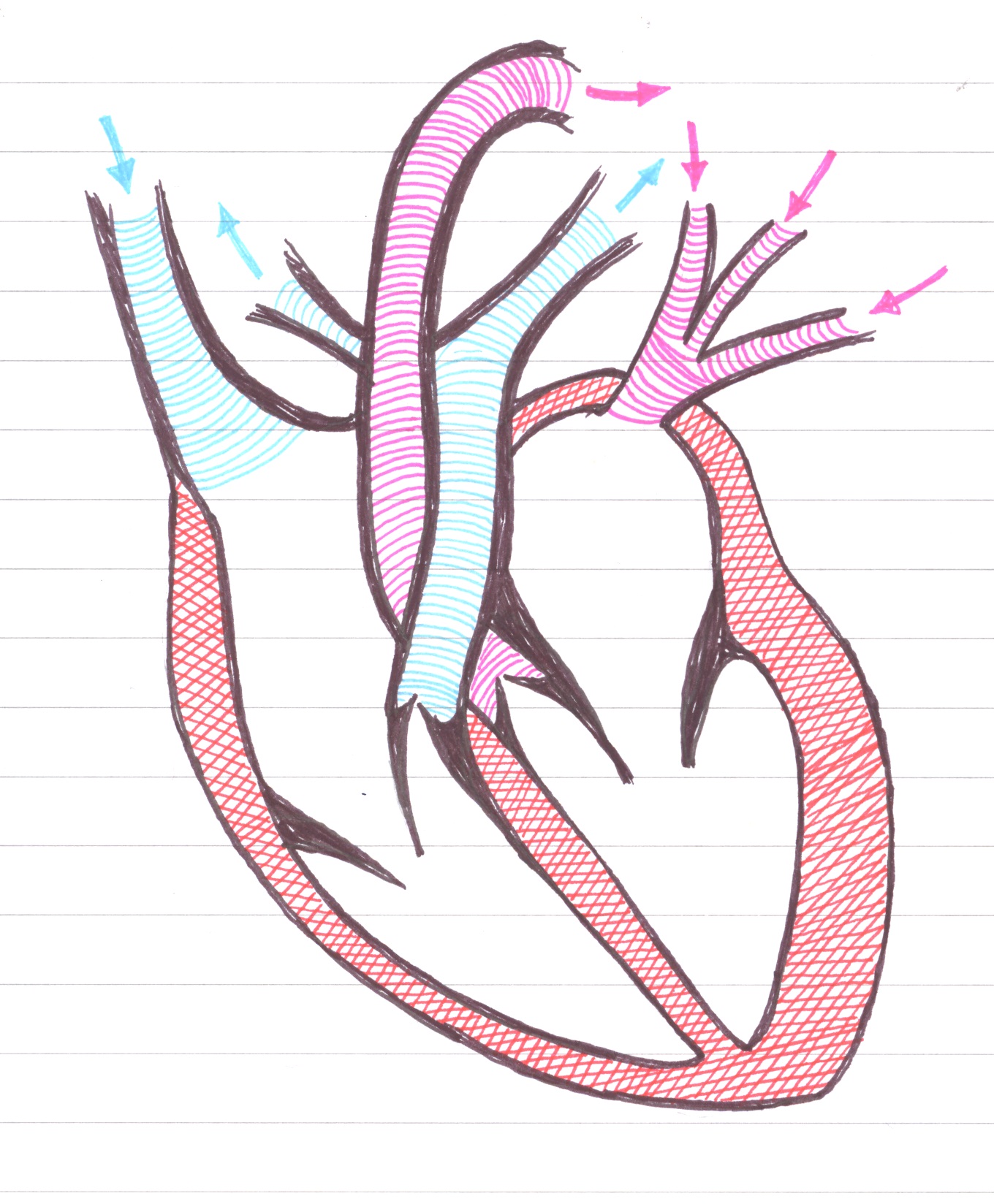 Remembering the names of the valves of the heart can be difficult – especially trying to remember which valve goes on which side.
You may have heard names like Tricuspid Valve and Bicuspid Valve or even Mitral Valve.
There’s an easier way of naming the valves, however, where the names actually tell you about their position:
Between each Atrium and Ventricle is a valve, which is there to stop blood flowing in the wrong direction. If you use the name Atrio-Ventricular Valve or A-V Valve, the name tells you that the valve is between the Atrium and Ventricle. To make sure everyone knows which side you’re talking about, you should use the names Left Atrio-Ventricular Valve or Right Atrio-Ventricular Valve.


 Not Rocket Surgery